MBBS in Russia

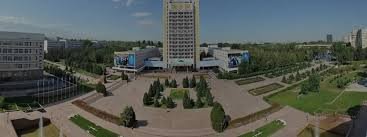
Al-Farabi Kazakh National University

Admission, Fees, Eligibility & Top Medical Universities

Univerisity Highlights

(2026-27)

MBBS in Russia

Al-Farabi Kazakh National University

– Established Year & History

Al-Farabi Kazakh National University has a rich academic legacy rooted in the early 20th century. Established in 1934, the university was founded by a decree of the Soviet authorities, marking the beginning of higher education development in Kazakhstan.

The institution officially opened on January 15, 1934, with its first intake of students in faculties such as Biology, Physics, and Mathematics. Over time, it expanded steadily by introducing new faculties like Humanities, Journalism, Law, and Economics, shaping itself into a comprehensive academic center.

Named after the great philosopher Abu Nasir al-Farabi, the university reflects his intellectual legacy and contribution to global knowledge. His influence symbolizes the bridge between Eastern and Western philosophy, which aligns with the university’s vision of global education.

Following World War II, the university experienced rapid growth with the addition of new faculties and research facilities, strengthening its academic and scientific base. Over the decades, it evolved into Kazakhstan’s oldest classical university and a leading research institution.

Today, Al-Farabi Kazakh National University stands as a prestigious center of education, combining historical excellence with modern innovation and global recognition.

Al-Farabi Kazakh National University MBBS Fees Structure In 2026-27

The MBBS (General Medicine) program at Al-Farabi Kazakh National University is known for its affordability and transparent fee structure, making it a popular choice among international students. The total course duration is 6 years, including internship, with an estimated overall cost ranging between ₹23 lakh to ₹35 lakh depending on lifestyle and currency fluctuations.

The annual tuition fee is approximately USD 4,600–4,900 (₹3.8–4.2 lakh), which remains fairly consistent throughout the course. Hostel accommodation costs around USD 1,000–1,500 per year, offering comfortable shared living facilities.

Additional expenses include medical insurance, visa renewal, and administrative charges, typically ranging between USD 200–800 annually. Students should also budget for food, with Indian mess facilities costing around USD 1,200–1,300 per year.

Overall, the university provides a cost-effective medical education compared to many countries, without compromising on quality. The structured and predictable fee system allows students to plan finances efficiently while pursuing a globally recognized medical degree.

University Overview
  • Established in 1934, the university is one of the oldest and most prestigious institutions in Kazakhstan, located in Almaty.
  • Recognized as a national research university, it aims to transform into a world-class center for education and innovation.
  • The university hosts over 20,000 students and a strong academic staff, creating a diverse and vibrant learning environment.
  • It offers a wide range of undergraduate, postgraduate, and research programs across multiple disciplines.
  • Ranked among the top universities globally, it holds strong positions in QS rankings and employability indexes.
  • Known for its high-quality teaching, the university integrates education with research, science, and industry collaboration.
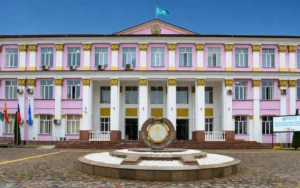
  • The campus is one of the largest in Kazakhstan, featuring modern academic buildings, laboratories, and student residences.
  • The university actively collaborates with international institutions, promoting global exposure and exchange programs.
  • It is also part of the United Nations Academic Impact initiative, contributing to sustainable development goals worldwide.
Eligibility Creteria
  • Candidates must have completed 10+2 or equivalent education with Physics, Chemistry, and Biology as core subjects from a recognized board.
  • A minimum of 50% marks in PCB is required for general category students, while reserved categories (SC/ST/OBC) may need around 45%.
  • Qualification in the NEET (National Eligibility cum Entrance Test) is mandatory for Indian students applying to the medical program.
  • Students must meet the minimum NEET score criteria set for their category to be eligible for admission.
  • The applicant must be at least 17 years old by 31st December of the admission year.
  • Proficiency in English is preferred, as many medical programs are offered in English; language tests or preparatory courses may be required if needed.
  • Admission may be based on entrance exams or international test scores like IELTS, TOEFL, SAT, or equivalent qualifications.
  • Students must provide valid medical certificates, including proof of fitness and absence of infectious diseases.
Recognitions Of University
  • Officially recognized and accredited by the Ministry of Education and Science of the Republic of Kazakhstan, ensuring legal status and national credibility.
  • Holds institutional accreditation by IQAA, valid from 2024 to 2029, confirming compliance with national and international education standards.
  • Over 370+ educational programs, including bachelor’s, master’s, doctoral, and residency programs, have received accreditation, reflecting strong academic quality.
  • ASIIN (Germany), a globally respected accreditation body for engineering and science education, internationally accredits multiple programs.
  • Around 70 programs are accredited by ACQUIN (Germany), ensuring adherence to European higher education standards.
  • Programs are also recognized by IAAR and are members of European quality assurance frameworks (ENQA & EQAR), enhancing global acceptance.
  • Accredited by regional bodies like CAAAE, ensuring quality in scientific and technical education.
  • Accreditation ensures international recognition, enabling graduates to pursue careers and higher education globally.
  • Strong global integration through compliance with European Standards and Guidelines (ESG 2015) for quality assurance.
Student Life at Campus
  • Student life at the university is vibrant, dynamic, and designed to help students grow academically and personally.
  • The campus provides an inspiring environment that encourages creativity, leadership, and active participation.
  • A wide range of student organizations, unions, and clubs allow students to explore interests, develop skills, and build strong networks.
  • Cultural events, festivals, conferences, and social activities are regularly organized, creating memorable experiences.
  • Students actively participate in scientific conferences, exhibitions, and international programs to enhance learning.
  • The university promotes diversity and inclusion through dedicated support offices and intercultural initiatives.
  • Modern campus facilities include libraries, sports complexes, student residences, and service centers.
  • Sports clubs and recreational activities encourage a healthy and balanced lifestyle.
  • Psychological support services are available to ensure student well-being and mental health.
  • Social responsibility is emphasized through community projects and student-led initiatives.
University Hostel and Accommodation
  • The university offers on-campus accommodation, creating a vibrant “city of students” atmosphere with a diverse international community.
  • There are 14 student dormitories and a dedicated house for young scientists, designed to meet modern living standards.
  • Hostels provide a comfortable and welcoming environment, ensuring students feel at home during their studies.
  • Rooms are well-equipped, supporting both academic focus and daily living needs.
  • Facilities include study halls, computer rooms, and common areas for academic and social activities.
  • Safety is a priority, with CCTV surveillance, security staff, and controlled electronic access systems.
  • The campus ensures 24/7 security monitoring, especially during night hours for student safety.
  • Hostels are located within or near campus, making daily commute easy and convenient.
  • Accommodation allocation is systematic, requiring application, contract signing, and payment confirmation.
  • Overall, the university provides a secure, comfortable, and academically supportive living environment for both local and international students.
Scholarships & Financial Aid
  • The university offers state-funded educational grants provided by the Ministry of Education, allowing selected students to study free of tuition fees.
  • Students receiving state grants are also eligible for monthly state scholarships, awarded based on academic performance (GPA and exam results).
  • High-performing students with consistent grades (A to C+) can continue receiving scholarships without interruption.
  • The university provides social scholarships and financial assistance for students from disadvantaged backgrounds, including low-income families, orphans, and students with disabilities.
  • Financial aid can include tuition fee discounts ranging from 5% to 100%, depending on eligibility and personal circumstances.
  • International exchange programs like Mevlana Exchange offer free tuition and monthly stipends, along with partial financial support.
  • Academic mobility programs may cover travel, accommodation, insurance, and visa expenses for selected students.
  • Scholarships are typically merit-based or need-based, encouraging both academic excellence and equal access to education.
  • Some grants come with post-graduation work obligations, requiring students to work for a certain period after completing studies.

Get Started

Get In Touch Form - Detail Page

What are you waiting for?

Discover Your Education Journey With Us
Scroll to Top

Confused about studying MBBS abroad?

Don’t worry — we’re here to guide you!

Fill out the form and get a FREE consultation from our experts.

Contact Form